| “국민투표를 못 하는 나라, 헌법은 살아 있는가.” — 국민투표법 입법공백은 단순 지연이 아니라 헌정질서의 정지다 ai호남뉴스 박충배 편집/칼럼/논설 aihnnewsr@kakao.com |
| 2026년 03월 03일(화) 15:13 |
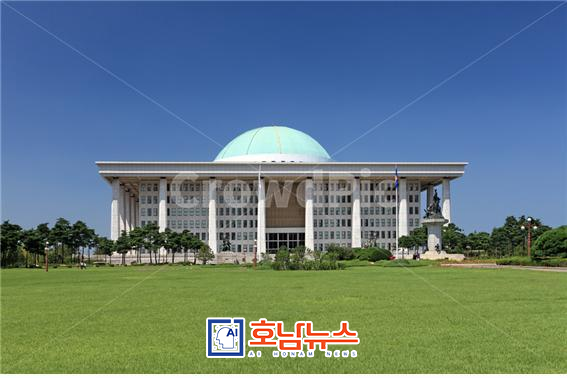 대한민국 국회의사당 / 사진제공=ai호남뉴스 |
【사설 겸 시민사회 공동 입장문】
대한민국 헌정질서의 최종 결정권자는 누구인가.
헌법은 분명히 선언한다. 주권은 국민에게 있다.
그렇다면 그 주권은 어떻게 행사되는가.
대의제만으로 완결되는가. 아니다.
헌법은 국민이 직접 국가의 중대사를 결정하도록 하는 절차를 명시하고 있다. 그것이 바로 국민투표다.
대한민국 헌법 제72조는 대통령이 외교·국방·통일 등 국가안위에 관한 중요 정책을 국민투표에 부칠 수 있도록 규정한다.
더 나아가 제130조는 헌법개정안은 반드시 국민투표에 부쳐야 한다고 명시한다.
‘가능하다’가 아니다.
‘거쳐야 한다.’다.
국민투표는 선택적 장치가 아니라 헌법이 예정한 국가 의사결정 절차다.
그렇다면 이를 구체화하는 법률, 즉 국민투표법은 헌법을 현실에서 작동하게 만드는 필수 집행법이다.
그러나 지금 그 법은 완결되어 있는가.
헌법재판소의 위헌 결정 이후에도, 선거연령 하향과 재외국민 참정권 확대 등 변화된 헌정 환경에 맞춘 전면적 정비는 지연되어 왔다.
일부 조항은 위헌 결정으로 효력을 상실했고, 일부는 현실과 괴리된 채 방치됐다.
이로 인해 헌법이 예정한 국민투표 절차는 사실상 완전하게 작동한다고 보기 어렵다.
이것은 단순한 입법 지연이 아니다.
헌법 기능의 부분적 정지다.
■ 입법공백인가, 위헌 상태인가
헌법재판소는 반복적으로 확인해 왔다.
헌법이 명시적·구체적으로 입법을 요구하고 있음에도 상당 기간 이를 이행하지 않는 경우, 이는 위헌적 입법부작위가 될 수 있다고.
국민투표는 헌법이 직접 예정한 절차다.
이를 가능하게 하는 법률이 미비하거나 위헌 상태로 남아 있다면, 이는 단순한 제도적 공백이 아니다.
국민의 참정권이 실질적으로 제한되는 상황이다.
헌법 제10조는 국가에 기본권 보장의무를 부과한다.
국가는 기본권을 침해하지 않을 소극적 의무뿐 아니라, 이를 실현할 제도를 마련할 적극적 의무를 진다.
그렇다면 묻지 않을 수 없다.
국회는 그 의무를 다하고 있는가.
정치적 유불리와 정략적 계산이 헌법 위에 서 있는 것은 아닌가.
■ 국민주권은 선언이 아니라 절차다
헌법은 상징이 아니다.
작동해야 한다.
헌법개정이 필요할 경우, 우리는 즉시 국민투표를 실시할 수 있는가.
재외국민과 청년 유권자의 권리는 완전하게 보장되어 있는가.
헌법이 명령한 절차를 정치적 이유로 미루는 것이 정당화될 수 있는가.
국민투표가 제대로 작동하지 않는 국가는, 국민주권이 완결되지 않은 국가다.
입법부가 헌법이 예정한 절차를 방치한다면, 그것은 헌정 질서의 약화를 스스로 초래하는 일이다.
헌법을 존중한다는 말은, 헌법이 명령한 제도를 실질적으로 구현하는 것으로 증명되어야 한다.
■ 우리는 요구한다
시민사회는 분명히 밝힌다.
첫째, 국민투표법 전면 개정 일정을 즉각 확정하라.
둘째, 재외국민과 청년 유권자의 참정권을 완전하게 보장하라.
셋째, 헌법재판소 결정 취지를 충실히 반영하여 위헌 요소를 해소하라.
넷째, 개정 지연의 사유와 향후 일정에 대해 국민 앞에 공식적으로 설명하라.
국민투표는 정권의 도구가 아니다.
국민의 권리다.
헌법이 명령한 절차를 정치적 계산으로 미루는 순간, 국회는 국민 위에 서게 된다.
그것은 헌법 정신과 정면으로 충돌한다.
국민투표법의 입법공백은 더 이상 기술적 문제가 아니다.
그것은 헌정질서의 문제이며, 민주주의의 문제다.
국회는 선택해야 한다.
헌법을 말로만 존중할 것인가, 실제로 작동하게 할 것인가.
국민은 지켜보고 있다.
[Jeonnam = AI Honam News] aihnnews@kakao.com
【Editorial & Joint Statement of Civil Society】
“If a nation cannot hold a referendum, is its Constitution truly alive?”
— The legislative vacuum in the National Referendum Act is not a mere delay, but a suspension of constitutional order.
Who holds the ultimate authority in the constitutional order of the Republic of Korea?
The Constitution clearly declares: sovereignty resides in the people.
Then how is that sovereignty exercised?
Is representative democracy alone sufficient? It is not.
The Constitution explicitly provides a procedure through which the people directly decide matters of national importance. That procedure is the national referendum.
Article 72 of the Constitution of the Republic of Korea provides that the President may submit important policies relating to diplomacy, national defense, unification, and other matters concerning national security to a national referendum.
Furthermore, Article 130 clearly stipulates that any constitutional amendment must be submitted to a national referendum.
It does not say “may.”
It says “must.”
A national referendum is not an optional device; it is a constitutionally mandated decision-making procedure of the state.
Accordingly, the National Referendum Act, which concretizes this procedure, is an essential implementing statute that enables the Constitution to function in reality.
But is that law complete today?
Even after rulings of unconstitutionality by the Constitutional Court, comprehensive revisions reflecting changes in the constitutional environment—such as the lowering of the voting age and the expansion of voting rights for overseas citizens—have been delayed.
Some provisions have lost effect due to constitutional rulings, while others remain outdated and disconnected from present realities.
As a result, the referendum procedure envisaged by the Constitution cannot be said to operate fully and effectively.
This is not a simple legislative delay.
It is a partial suspension of constitutional function.
■ Is this a legislative vacuum—or an unconstitutional state?
The Constitutional Court has repeatedly affirmed that when the Constitution expressly and concretely requires legislation, failure to enact such legislation within a reasonable period may constitute unconstitutional legislative omission.
A national referendum is a procedure directly prescribed by the Constitution.
If the law necessary to implement it remains incomplete or constitutionally defective, this is not merely an institutional gap. It results in a substantive restriction of the people’s right to political participation.
Article 10 of the Constitution imposes upon the state the duty to guarantee fundamental rights.
The state bears not only a passive duty to refrain from infringing rights, but also an active duty to establish institutional frameworks to realize them.
Thus, we must ask:
Is the National Assembly fulfilling this obligation?
Are political calculations and partisan interests being placed above the Constitution?
■ Popular sovereignty is not a slogan—it is a procedure.
The Constitution is not symbolic.
It must operate.
If constitutional amendment becomes necessary, can we immediately conduct a national referendum?
Are the rights of overseas citizens and young voters fully guaranteed?
Can it ever be justified to postpone constitutionally mandated procedures for political reasons?
A nation in which referendums cannot properly function is a nation where popular sovereignty remains incomplete.
If the legislature neglects procedures explicitly mandated by the Constitution, it weakens the constitutional order by its own hand.
Respect for the Constitution must be demonstrated by implementing the institutions it commands.
■ Our Demands
Civil society clearly declares:
First, immediately establish a definitive schedule for comprehensive revision of the National Referendum Act.
Second, fully guarantee the voting rights of overseas citizens and young voters.
Third, eliminate unconstitutional elements in faithful reflection of the Constitutional Court’s decisions.
Fourth, publicly explain to the people the reasons for delay and the future legislative timetable.
A national referendum is not a tool of any administration.
It is a right of the people.
The moment the National Assembly postpones constitutionally mandated procedures for political calculation, it places itself above the people.
That stands in direct conflict with the spirit of the Constitution.
The legislative vacuum in the National Referendum Act is no longer a technical issue.
It is an issue of constitutional order and of democracy itself.
The National Assembly must choose:
Will it merely speak of respect for the Constitution, or will it make the Constitution function in reality?
The people are watching.
 ai호남뉴스 박충배 편집/칼럼/논설 aihnnewsr@kakao.com