| “유충 한 마리도 용납 없다”… 영산강 수돗물 111곳 전면 점검, ‘먹는물 전쟁’ 선제 차단” ai호남뉴스 박충배 편집/칼럼/논설 aihnnewsr@kakao.com |
| 2026년 03월 26일(목) 11:00 |
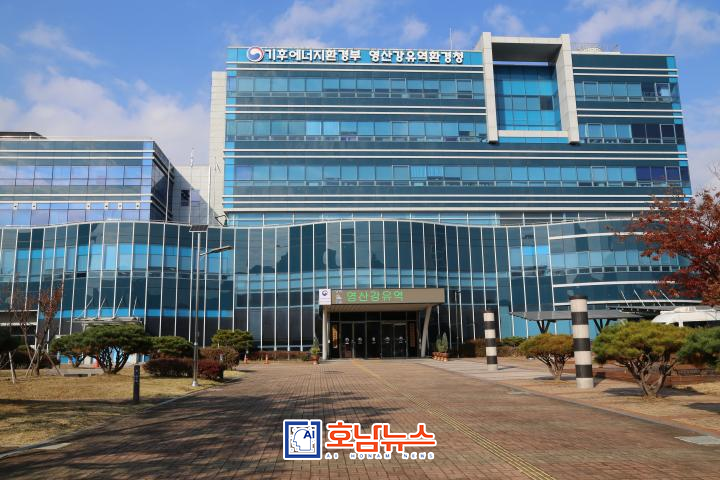 영산강청 전경3 / 사진제공=기후에너지영산상환경청 |
【전남·광주=AI호남뉴스】 aihnnews@kakao.com
영산강·섬진강 유역의 수돗물 안전을 둘러싼 ‘보이지 않는 전쟁’이 본격적으로 시작됐다.
단 한 마리의 유충도 허용하지 않겠다는 강력한 원칙 아래, 정수장 전수 점검이라는 초강력 대응이 가동된다.
영산강유역환경청은 오는 3월 30일부터 5월 8일까지 관내 111개 정수장을 대상으로 수돗물 내 유충 발생 가능성을 사전에 차단하기 위한 전문가 합동 위생 점검을 실시한다고 밝혔다.
이번 점검은 여름철 기온 상승과 함께 증가하는 유충 등 소형생물 발생 위험에 선제적으로 대응하기 위한 조치로, 단순 점검을 넘어 ‘먹는물 안전 시스템’ 전반을 재정비하는 데 초점이 맞춰졌다.
특히 영산강유역환경청은 2021년부터 물관리 전문기관과 협력해 연 2~3회 정기 합동점검을 실시해왔으며, 이를 통해 현장 중심의 예방관리 체계를 구축해왔다.
점검에는 한국수자원공사 영·섬유역수도지원센터와 한국상하수도협회가 참여해 기술적 전문성을 더한다.
■ “사고 이전에 차단한다.”… 선제 대응 시스템 정착
지난해에는 111개 정수장을 대상으로 한 선제 점검을 통해 방충망 정비, 제초작업 등 시설과 주변 환경을 전면 개선한 결과, 유충 관련사고 ‘제로’를 기록했다.
이는 단순한 행정 점검이 아니라, 실제 사고를 예방하는 ‘현장 작동형 관리체계’가 작동했음을 보여주는 사례로 평가된다.
■ 취약시설 집중 점검… 공정별 관리까지 정밀 진단
올해 점검은 한층 더 강화된다.
정수장 내 유충 서식 가능성을 사전 모니터링하는 것은 물론, 지역 내 취약시설에 대해서는 전문가가 직접 참여하는 기술지원이 병행된다.
또한 ▲정수처리 공정별 운영 상태 점검 ▲시설 관리 수준 진단 ▲현장 담당자 교육 및 역량 강화까지 포함해 단순 점검을 넘어 ‘운영 시스템 개선’까지 연결하는 입체적 대응이 추진된다.
■ “안전을 넘어 ‘안심’까지”… 물 관리 기준 상향
조영희 영산강유역환경청 유역관리국장은 “기후변화로 인해 유충 등 소형생물이 먹는물 안전을 위협할 가능성이 점점 커지고 있다”며 “철저한 현장 관리와 선제적 대응을 통해 국민이 안심하고 마실 수 있는 수돗물 공급에 만전을 기하겠다.”고 밝혔다.
이번 점검은 단순한 위생 관리 수준을 넘어, 기후위기 시대 물 안전의 기준을 ‘사고 대응’에서 ‘사전 차단’으로 전환하는 정책적 의미를 갖는다.
보이지 않는 위험을 먼저 차단하는 것, 그것이 지금 영산강 수계가 선택한 ‘물 안보 전략’이다.
“Not a Single Larva Tolerated”…
Full Inspection of 111 Water Treatment Plants in the Yeongsan River Basin, Preemptive Strike in ‘Drinking Water Safety War’
Subtitle: Blocking Summer Larvae at the Source… Comprehensive Plant Inspections & Intensive Management of Vulnerable Facilities
“Zero Incidents Continues”… Full-Scale Deployment of Joint Expert Sanitation System
【Jeonnam·Gwangju = AI Honam News】 aihnnews@kakao.com
An “invisible war” over drinking water safety has officially begun across the Yeongsan and Seomjin River basins.
Under a strict principle of tolerating not even a single larva, an all-out inspection of water treatment plants is now underway.
The Yeongsan River Basin Environmental Office announced that from March 30 to May 8, it will conduct joint expert sanitation inspections of 111 water treatment plants under its jurisdiction to proactively block the risk of larvae occurrence in tap water.
This inspection is a preemptive response to the increasing risk of small organisms, including larvae, during the summer season as temperatures rise. It goes beyond routine checks, aiming to overhaul the entire “drinking water safety system.”
Since 2021, the Environmental Office has been conducting joint inspections two to three times annually in cooperation with professional water management institutions, establishing a field-oriented preventive management system.
The inspection will involve the Korea Water Resources Corporation (Yeong-Seom Basin Water Supply Support Center) and the Korea Water and Wastewater Works Association, adding technical expertise to the effort.
■ “Block Before It Happens”… Preventive System Takes Root
Last year, preemptive inspections of all 111 plants led to improvements such as repairing insect screens and vegetation control, resulting in zero larvae-related incidents.
This is seen not as a routine administrative measure but as evidence of a fully operational, field-driven prevention system.
■ Intensive Checks on Vulnerable Facilities… Precision Diagnosis by Process
This year’s inspections will be further strengthened.
In addition to pre-monitoring potential larvae habitats within treatment plants, vulnerable facilities will receive direct technical support from experts.
The inspection will also include ▲evaluation of operational conditions by treatment process ▲assessment of facility management standards ▲training and capacity building for on-site personnel—forming a comprehensive approach that links inspection with system improvement.
■ Beyond Safety to “Peace of Mind”… Raising Water Management Standards
Cho Young-hee, Director of Water Management at the Yeongsan River Basin Environmental Office, stated:
“Due to climate change, small organisms such as larvae are increasingly posing threats to drinking water safety. We will ensure that citizens can not only drink safely but with confidence through thorough field management and proactive measures.”
This initiative represents a policy shift in water safety for the climate crisis era—from reactive response to proactive prevention.
Eliminating invisible risks before they emerge—
that is the “water security strategy” now being implemented across the Yeongsan River basin.
 ai호남뉴스 박충배 편집/칼럼/논설 aihnnewsr@kakao.com