2026.04.20 (월) 09:58


 닫기
닫기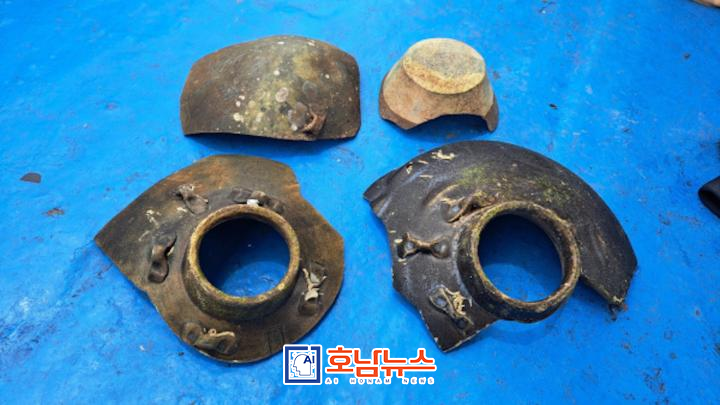 2025년 7월 쩌우투언 해역 해저에서 수습한 중국 도기 / 사진제공=국립해양유산연구소 |
대한민국 수중고고학이 국경을 넘어 아시아 바닷길의 역사를 다시 쓰기 위한 첫 발걸음을 내디뎠다.
국가유산청 국립해양유산연구소(소장 이은석)는 베트남국립역사박물관(관장 응웬 반 도안)과 공동으로 3월 5일부터 3월 31일까지 베트남 꽝응아이성 빈쩌우만(Bình Châu) 쩌우투언 해역에서 수중유산 공동조사를 실시한다고 밝혔다.
이번 조사는 한국과 베트남이 문화유산 분야에서 협력을 강화하고, 아시아 해상 실크로드의 역사적 흔적을 규명하기 위해 추진된 국제 공동 프로젝트다.
특히 이번 탐사는 국립해양유산연구소가 해외에서 수행하는 최초의 수중유적 조사라는 점에서 의미가 크다.
한국이 지난 수십 년간 축적해 온 수중고고학 기술과 경험을 국제 무대에서 본격적으로 활용하는 계기가 될 것으로 기대된다.
■ “고대 배들의 무덤”… 해상 교역의 흔적이 잠든 바다
조사 대상지인 빈쩌우만 일대는 고대 동아시아 해상 무역의 핵심 거점으로 평가된다.
이곳은 과거 중국과 일본에서 출발한 무역선이 남중국해를 거쳐 동남아시아·인도·서아시아로 이어지는 해상 실크로드의 주요 기착지였다.
이미 이 해역에서는 8~9세기 ‘차우탄(Châu Tân)선’, 13~14세기 ‘빈쩌우(Bình Châu)선’ 등 고대 무역선의 난파 잔해가 확인된 바 있다.
또한 당·명·청 왕조 시기의 도자기와 고대 닻 등 다양한 유물이 발견되면서 학계에서는 이 지역을 ‘고대 배들의 무덤(Ship Graveyard)’이라 부를 정도로 중요한 수중문화유산 지역으로 평가하고 있다.
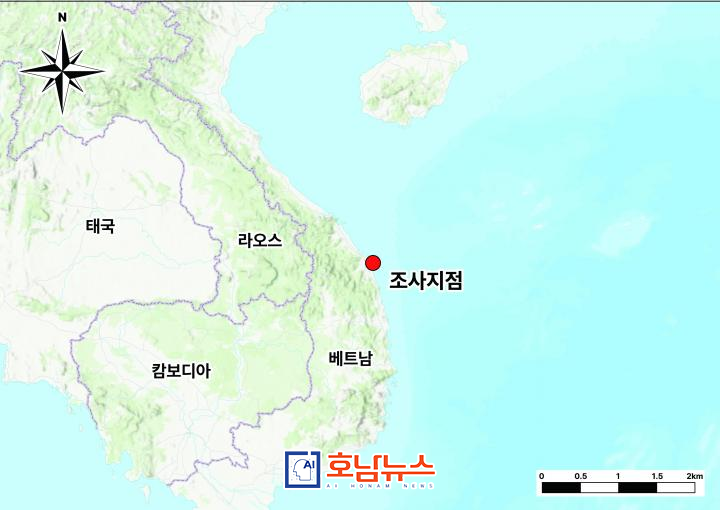 베트남 꽝응아이성 빈쩌우만 쩌우투언 해역 위치도 / 사진제공=국립해양유산연구소 |
■ 한국 수중고고학 기술, 국제 현장에서 검증
이번 공동 조사에는 한국과 베트남의 수중고고학 전문가들이 참여한다.
조사 방식은 베트남 측이 기존 조사에서 확인한 난파선과 유물 지점을 중심으로 한국 수중고고학자들이 직접 잠수 조사와 시굴(시험 발굴)을 진행해 유적의 상태와 보존 현황을 확인하는 형태로 진행된다.
이는 단순한 공동 탐사를 넘어 한국의 수중유산 조사 기술을 국제적으로 공유하는 학술 협력 모델로 평가된다.
■ “신안선 이후 50년”… 한국 수중고고학 세계로
국립해양유산연구소는 이번 공동 조사를 통해 신안선 발굴 등 지난 50여 년간 축적된 한국의 수중고고학 조사 기술과 경험을 베트남과 공유하고, 아시아 해상 교역의 역사 연구를 더욱 확장할 계획이다.
연구소 관계자는 “이번 공동조사는 아시아 해상 실크로드의 역사적 흐름을 밝히는 중요한 학술 협력의 장이 될 것”이라며 “바닷속에 잠들어 있는 교역의 흔적을 발굴해 대한민국 수중고고학의 세계적 수준을 국제사회에 알리는 계기가 될 것”이라고 밝혔다.
■ 바다 아래 잠든 아시아 역사… 공동 발굴로 깨어난다.
전문가들은 이번 조사가 단순한 유물 조사에 그치지 않고 고대 동아시아 해상 교역 네트워크의 실체를 복원하는 중요한 단서가 될 것으로 보고 있다.
수백 년 동안 바닷속에 잠들어 있던 난파선과 유물들이 아시아 해상 실크로드의 역사와 문화 교류의 흔적을 다시 세상 위로 끌어올릴지 주목된다.
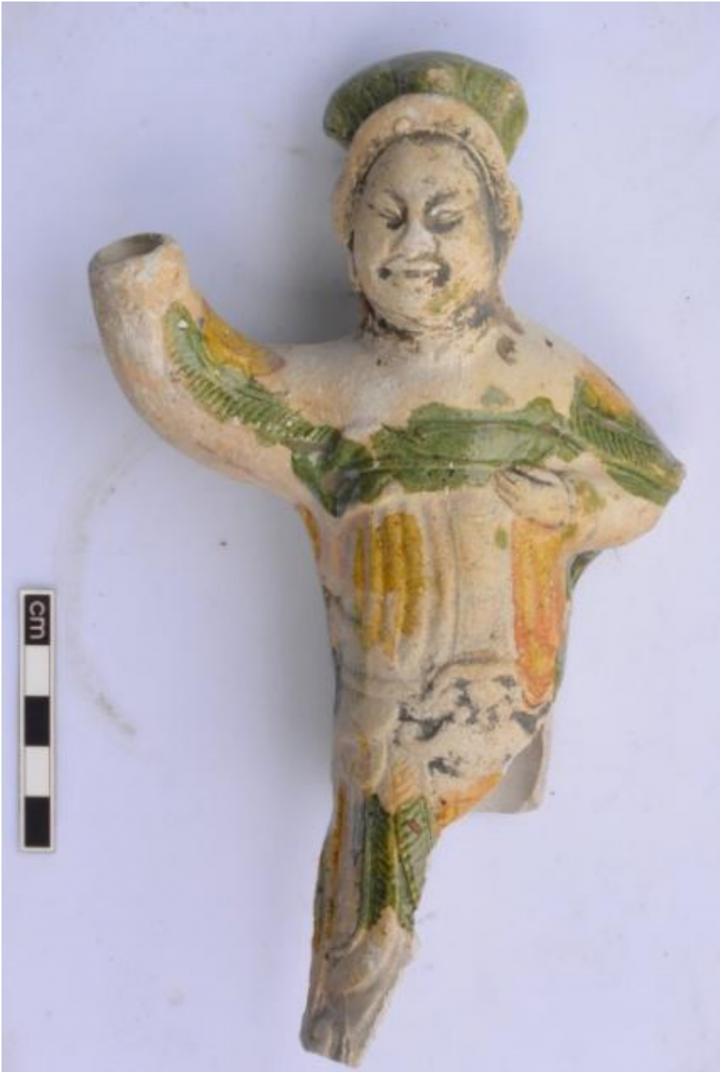 차우탄선에서 출수된 8~9세기경 당나라 도자기 / 사진제공=국립해양유산연구소 |
“Unlocking the Secrets of Asia’s Sea Routes”… Korea and Vietnam Launch Joint Underwater Heritage Investigation of the Ancient Maritime Silk Road
First overseas underwater archaeological mission by Korea’s National Research Institute of Maritime Cultural Heritage… Full exploration begins in Bình Châu Bay, known as the “Graveyard of Ancient Ships”
[AI Honam News] aihnnews@kakao.com
South Korea’s underwater archaeology is taking its first step beyond national borders to rewrite the history of Asia’s maritime routes.
The National Research Institute of Maritime Cultural Heritage (NRIMCH) under the Korea Heritage Service (Director Lee Eun-seok) announced that it will conduct a joint underwater cultural heritage survey with the Vietnam National Museum of History (Director Nguyen Van Doan) from March 5 to March 31 in the Châu Thuận waters of Bình Châu Bay in Quảng Ngãi Province, Vietnam.
The project is an international collaborative initiative designed to strengthen cultural heritage cooperation between Korea and Vietnam and to uncover the historical traces of the Asian Maritime Silk Road.
In particular, this mission carries special significance as it marks the first underwater archaeological survey conducted overseas by the National Research Institute of Maritime Cultural Heritage.
It is expected to serve as an opportunity for Korea to demonstrate and apply its decades of accumulated underwater archaeological expertise on the international stage.
■ “Graveyard of Ancient Ships”… A Sea Filled with Traces of Maritime Trade
The Bình Châu Bay area, the target site of the survey, is widely recognized as a key hub of ancient East Asian maritime trade.
Historically, the area served as an important stop along the maritime trade route connecting China and Japan with Southeast Asia, India, and West Asia through the South China Sea.
Previous investigations in these waters have already identified the remains of several ancient merchant ships, including:
the 8th–9th century “Châu Tân Ship”, and
the 13th–14th century “Bình Châu Ship.”
Numerous artifacts such as ceramics from the Tang, Ming, and Qing dynasties and ancient anchors have also been discovered. Because of the abundance of shipwrecks and relics, scholars often refer to the area as the “Ship Graveyard”, highlighting its immense value as a repository of underwater cultural heritage.
■ Korean Underwater Archaeology to Be Tested on the Global Stage
The joint research team will consist of underwater archaeology experts from both Korea and Vietnam.
The survey will focus on shipwreck sites and artifacts previously identified by Vietnamese researchers. Korean underwater archaeologists will conduct direct diving investigations and test excavations to examine and document the condition of the underwater remains.
This collaboration is expected to go beyond a simple joint exploration, serving as a model for academic cooperation that shares Korea’s advanced underwater heritage investigation techniques with the international community.
■ “50 Years Since the Shinan Shipwreck”… Korean Underwater Archaeology Goes Global
Through this project, the National Research Institute of Maritime Cultural Heritage aims to share the knowledge and experience accumulated over the past 50 years of underwater archaeological work, including the famous excavation of the Shinan shipwreck, with Vietnam and to expand research on the history of Asian maritime trade.
An official from the institute stated:
“This joint investigation will become an important platform for academic cooperation in uncovering the historical flow of the Asian Maritime Silk Road.
By bringing to light the traces of trade sleeping beneath the sea, it will also serve as an opportunity to showcase the global excellence of Korean underwater archaeology.”
■ Asia’s Sunken History Awakens Beneath the Sea
Experts believe that the project will not only uncover artifacts but also provide crucial clues for reconstructing the ancient maritime trade networks of East Asia.
Shipwrecks and relics that have remained hidden beneath the sea for centuries may soon reveal the stories of cultural exchange and trade along the Maritime Silk Road, bringing a forgotten chapter of Asian history back to the surface.
 ai호남뉴스 박충배 편집/칼럼/논설 aihnnewsr@kakao.com