2026.04.03 (금) 13:50


 닫기
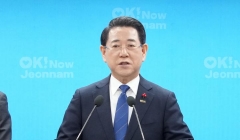
닫기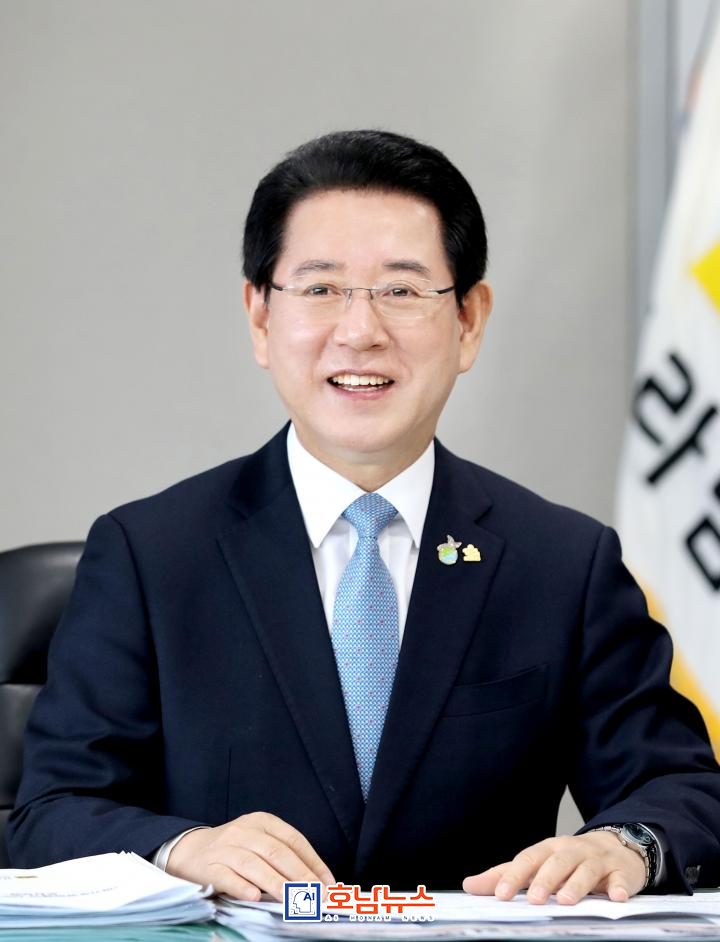 김영록 전남관주특별시장 예비후보 / 사진제공=김영록선대위 |
광주 민간·군공항 이전 부지로 전남 무안군 망운면이 최종 선정되면서, 서남권 산업지도가 근본적으로 재편되는 ‘대전환의 출발선’이 그어졌다.
김영록 전남광주특별시장 예비후보는 2일 공식 환영 입장을 내고 “이번 결정은 단순한 이전이 아니라 지역 미래를 바꾸는 전략적 전환점”이라며 강력한 실행 의지를 밝혔다.
김 후보는 “광주 민간·군공항 이전 부지 선정은 광주와 전남이 오랜 기간 공동 협의와 전략적 연대를 통해 이뤄낸 결실”이라며 “2024년 동시 이전 추진과 국가산단 조성 등 정부 건의사업이 대거 반영된 점에서 더욱 의미가 크다”고 평가했다.
특히 김 후보는 이재명 대통령의 결단을 핵심 변수로 지목했다.
그는 “이재명 대통령이 지역 핵심 현안을 직접 챙기고 신속하고 과감한 결단을 내려준 덕분에 이번 성과가 가능했다”며 “국가 차원의 추진력이 지역 발전으로 직결된 대표 사례”라고 강조했다.
■ “공항 하나로 산업을 재설계”… 무안 ‘에어로 시티’ 구상 본격화
김 후보는 이번 부지 선정을 계기로 무안 망운면 일대를 ‘공항 기반 산업혁신 거점’으로 전면 재편하겠다는 구상을 제시했다.
핵심은 무안국제공항과 연계한 초대형 복합산업단지, 이른바 ‘에어로 시티(Aero City)’ 구축이다.
김 후보는 “항공물류 중심 기능을 넘어 반도체 전용 화물터미널을 구축해 첨단산업 물류 허브로 만들겠다.”며 “AI농생명밸리, MRO센터, 반도체 산업단지까지 연계해 서남권 산업 생태계를 완전히 새로 설계하겠다.”고 밝혔다.
이어 “목포와 무안반도를 통합한 ‘서남권 메가 구조’를 완성해 인구 60만 규모의 특례도시로 도약시키겠다.”며 “재생에너지·반도체·AI 산업이 결합된 대한민국 신성장 축을 구축하겠다.”고 강조했다.
■ “이전지는 비운 땅이 아니다”… 광주 원도심 ‘첨단산업 심장’으로 재탄생
김 후보는 공항 이전 이후 광주 기존 부지에 대한 초대형 재개발 청사진도 함께 제시했다.
광주공항과 마륵동 탄약고 일대 약 500만 평을 활용해
▲반도체·인공지능 연구단지
▲벤처기업 클러스터
▲국제 컨벤션·호텔 복합단지
▲문화·관광 인프라를 결합한
‘첨단 융복합 산업 콤플렉스’를 조성하겠다는 계획이다.
특히 그는 “부산 센텀시티를 뛰어넘는 글로벌 산업·문화 복합지구를 만들겠다.”며 “K-POP 아레나와 대형 테마파크까지 유치해 광주를 세계적 문화관광 도시로 도약시키겠다.”고 밝혔다.
■ “공항 이전은 개발이 아니라 생존”… 서남권 운명 바꿀 분기점
이번 공항 이전은 단순한 인프라 이동이 아니라 전남·광주 통합특별시 시대를 앞둔 ‘경제 구조 재편의 핵심 변수’로 평가된다.
김 후보는 “공항은 더 이상 교통시설이 아니라 산업과 인구를 끌어오는 전략 자산”이라며 “무안 망운면 선정은 전남 서남권이 대한민국 성장축으로 도약할 결정적 기회”라고 규정했다.
이어 “이제 중요한 것은 속도와 실행”이라며 “선정에 그치지 않고 산업·일자리·인구가 함께 움직이는 실질적 변화로 반드시 이어내겠다”고 밝혔다.
“When Air Routes Change, the Industrial Map Is Rewritten”… Kim Young-rok Declares Southern Transformation with Muan ‘Aero City’
Welcomes Gwangju Civil–Military Airport Relocation Site… “AI, Semiconductors, Logistics to Build a 600,000-Population Mega Hub in Southwest Korea”
【Jeonnam·Gwangju = AI Honam News】 aihnnews@kakao.com
With Manguun-myeon in Muan County, Jeollanam-do, officially selected as the relocation site for Gwangju’s civil and military airport, a new starting point has been drawn for a fundamental reshaping of the southwestern industrial landscape.
Kim Young-rok, preliminary candidate for Mayor of the integrated Gwangju–Jeonnam Special City, issued an official statement on the 2nd welcoming the decision, stating, “This is not merely a relocation, but a strategic turning point that will redefine the future of the region,” and emphasized his strong commitment to execution.
Kim noted, “The selection of the relocation site is the result of long-standing joint efforts and strategic cooperation between Gwangju and Jeonnam,” adding, “It is even more meaningful as it reflects the simultaneous relocation initiative in 2024 and the large-scale inclusion of government-proposed projects such as national industrial complexes.”
He also highlighted the decisive role of Lee Jae-myung.
“President Lee personally oversaw this key regional issue and made a swift and bold decision, making this achievement possible,” Kim said. “It is a representative case where national-level leadership directly translates into regional development.”
■ “Redesigning Industry Through a Single Airport”… Full-Scale ‘Aero City’ Vision in Muan
Kim unveiled a comprehensive plan to transform the Manguun area into an airport-based industrial innovation hub.
At the core of this vision is the construction of a large-scale integrated industrial complex linked to Muan International Airport—dubbed the ‘Aero City’.
He stated,
“We will go beyond aviation logistics by establishing a dedicated semiconductor cargo terminal, positioning the area as a high-tech logistics hub,”
and added,
“We will integrate an AI agro-bio valley, MRO center, and semiconductor industrial complexes to completely redesign the southwestern industrial ecosystem.”
He further emphasized,
“By integrating Mokpo and the Muan Peninsula into a ‘Southwest Mega Structure,’ we will create a special city with a population of 600,000,”
and
“build a new national growth axis where renewable energy, semiconductors, and AI converge.”
■ “The Vacated Land Is Not Empty”… Gwangju to Be Reborn as a High-Tech Core
Kim also presented a large-scale redevelopment blueprint for the current Gwangju airport site following relocation.
Utilizing approximately 5 million pyeong of land, including Gwangju Airport and the Mareuk-dong ammunition depot area, the plan includes:
Semiconductor and AI research complexes
Venture business clusters
International convention and hotel complexes
Cultural and tourism infrastructure
These will be integrated into a “high-tech convergence industrial complex.”
He added,
“We will create a global industrial and cultural district surpassing Busan’s Centum City,”
and
“attract a K-pop arena and large-scale theme park to transform Gwangju into a global cultural tourism destination.”
■ “Airport Relocation Is Not Development, but Survival”… A Turning Point for the Southwest
The relocation is seen not merely as infrastructure movement, but as a key variable in restructuring the regional economy ahead of the Gwangju–Jeonnam Special City era.
Kim stated,
“Airports are no longer just transportation facilities—they are strategic assets that attract industries and populations,”
and emphasized,
“The selection of Manguun is a decisive opportunity for the southwestern region to emerge as a national growth engine.”
He concluded,
“What matters now is speed and execution. This must go beyond selection and lead to real change where industries, jobs, and people move together.”
■ Conclusion: “When Air Routes Shift, the Fate of a Region Changes”
The selection of Manguun is not simply a matter of location.
It is the first strategic move for Gwangju and Jeonnam to break free from dependence on the capital region and secure autonomous growth.
Once aviation, AI, semiconductors, renewable energy, and logistics converge,
the southwest will no longer be a periphery—
but will stand at the forefront of Korea’s future industries.
 ai호남뉴스 박충배 편집/칼럼/논설 aihnnewsr@kakao.com