2026.06.04 (목) 02:40




 닫기
닫기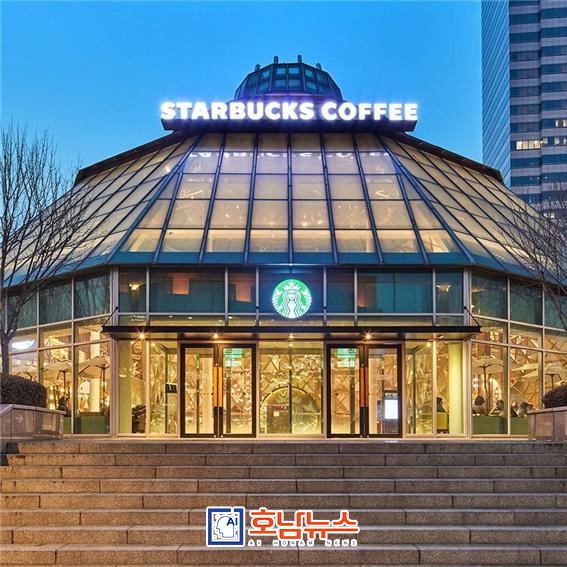 스타벅스 커피점 전경 ? 사진제공=chat gpt |
【전남·광주=AI호남뉴스】 aihnnews@kakao.com
대한민국 민주주의가 또다시 시험대에 올랐다.
이번에는 단순한 정치 공방이 아니다.
AI 합성 이미지와 조직적 혐오 선동, 역사 조롱, 지역 비하, 그리고 이를 정치적으로 소비하는 세력들에 대한 문제다.
최근 논란이 된 스타벅스 ‘탱크 텀블러’ 사태는 단순한 마케팅 실수가 아니었다.
5·18의 상처를 간직한 광주 시민들에게 ‘탱크’는 단순한 디자인이 아니다.
그것은 시민을 향해 진격했던 국가폭력의 상징이며, 민주주의를 짓밟았던 공포의 기억이다.
그럼에도 스타벅스와 정용진 회장은 논란의 본질을 외면한 채 사실상 “유감 표명” 수준의 맹탕 사과로 사태를 넘기려 했다.
더 심각한 것은 이후 벌어진 정치권과 극우 커뮤니티의 대응이었다.
국민의힘 박수영 의원은 AI 합성으로 보이는 드럼통 형태의 스타벅스 컵 이미지를 활용해 “텀블러가 탱크라고 불린다.”는 식의 왜곡된 주장을 퍼뜨렸다.
심지어 지귀연 룸살롱 논란 당시에는 AI로 생성된 사진을 근거로 “원본의 삼겹살 부분이 잘려나갔다”는 허위 주장까지 올렸다가 급히 삭제했다.
이것은 단순 실수가 아니다.
검증되지 않은 AI 합성물과 허위정보를 정치 선동의 재료로 사용하는 행위다.
더 우려스러운 것은 이런 행위가 반복되는 구조다.
왜 반복되는가.
처벌받지 않기 때문이다.
조롱이 정치적 이익이 되고, 혐오가 클릭 수가 되며, 가짜뉴스가 진영 결집의 도구가 되기 때문이다.
국민의힘 김기현 의원은 “내가 마실 커피를 국가가 결정하는 것이 아니다”라는 식으로 본질을 흐렸다.
그러나 지금 논란의 핵심은 커피 선택의 자유가 아니다.
국가폭력과 민주주의 희생의 상징을 조롱의 소재로 소비하는 행위가 과연 표현의 자유라는 이름 아래 허용될 수 있느냐는 문제다.
개혁신당 이준석 의원 역시 ‘일베’ 논란을 이재명 대통령에게 역으로 덮어씌우는 방식의 정치 공세를 이어가고 있다.
그러나 세월호 비하, 5·18 조롱, 여성·장애인 혐오, 지역 비하 논란과 끊임없이 연결돼 온 극우 커뮤니티 문화와 일정 부분 공존하거나 소비해온 정치권 역시 그 책임에서 자유롭지 않다.
표현의 자유는 민주주의의 핵심 가치다.
하지만 민주주의는 결코 “무제한 혐오의 자유”를 의미하지 않는다.
노무현 전 대통령에 대한 인간 이하의 조롱, 5·18 희생자 비하, 세월호 희생자 모욕, 지역 혐오와 여성·장애인 조롱까지.
이런 반인륜적 선동이 ‘표현의 자유’라는 이름으로 방치되는 순간, 민주주의는 공동체를 보호하는 기능을 상실하게 된다.
실제 대한민국은 이미 그 대가를 치르고 있다.
2012년 대선을 전후해 국가정보원이 댓글부대를 운영하며 온라인 여론전에 개입했다는 사실은 국정조사와 재판을 통해 확인됐다.
당시 국정원 심리전단의 주요 업무 중 하나로 극우 온라인 커뮤니티 모니터링과 여론 개입 문제가 제기되기도 했다.
그 결과 혐오와 조롱은 하나의 ‘인터넷 문화’처럼 고착됐다.
방송통신심의위원회의 미온적 대응, “청소년 유해매체 기준” 같은 현실과 동떨어진 규정, 정치권의 방관 속에서 극단적 혐오 표현은 사실상 일상화됐다.
문재인 정부 시절에도 일베 폐쇄 논의는 번번이 실패했다.
결국 혐오와 조롱은 사라지지 않았고, 이제는 AI 기술까지 결합하며 훨씬 정교하고 위험한 형태로 진화하고 있다.
그러나 시대는 변하고 있다.
오는 7월 7일부터 시행되는 정보통신망법 개정 내용은 중요한 전환점이 될 가능성이 크다.
불법정보 규정인 제44조의7에 혐오표현 관련 내용이 포함되면서, 직접적인 폭력·차별 선동은 물론 특정 개인이나 집단의 인간으로서의 존엄성을 현저히 훼손하는 정보 역시 규제 대상이 될 수 있게 됐다.
이는 단순한 검열 강화가 아니다.
민주주의 공동체를 보호하기 위한 최소한의 사회적 안전장치다.
노무현 전 대통령 비하, 5·18 조롱, 세월호 희생자 모욕, AI 합성물을 이용한 허위 선동까지.
이제는 “장난이었다.”, “풍자였다.”, “표현의 자유였다.”는 말로 면책될 시대가 아니다.
정용진 회장의 알맹이 없는 사과 역시 마찬가지다.
기업이 사회적 영향력을 누리는 만큼, 그 책임도 져야 한다.
특히 민주주의의 상처를 상업적 이미지 소비와 정치적 진영 논리에 방치한 책임은 결코 가볍지 않다.
솜방망이 징계와 형식적 사과로 넘어갈 문제가 아니다.
혐오와 조롱을 반복적으로 생산·유통·합리화한 세력 전체가 법과 사회의 심판대 앞에 서야 한다.
민주주의는 비판을 허용한다.
그러나 인간의 존엄을 파괴하는 혐오까지 보호하지는 않는다.
대한민국은 이제 결단해야 한다.
표현의 자유를 지킬 것인가,
아니면 혐오의 자유까지 방치할 것인가.
그 선택의 결과는 결국 우리 공동체 전체가 감당하게 된다.
【AI Honam News Editorial】
“The Moment Fake News Becomes a Political Weapon, Democracy Begins to Rot”
This cannot end with a hollow apology… The price of tolerating hatred, mockery, and AI-generated disinformation must now be judged by law.
【Gwangju·Jeonnam = AI Honam News】 aihnnews@kakao.com
South Korean democracy is once again being tested.
This is no longer a mere political dispute.
It is about AI-generated images, organized hate propaganda, the mockery of history, regional discrimination, and the political forces that consume and exploit them.
The recent controversy surrounding Starbucks’ so-called “tank tumbler” was not simply a marketing mistake.
For the citizens of Gwangju, who still carry the scars of the May 18 Democratization Movement, a “tank” is not just a design motif.
It is a symbol of state violence that rolled toward civilians and a traumatic memory of democracy being crushed by force.
Yet Starbucks and Chairman Chung Yong-jin attempted to move past the controversy with what amounted to little more than a vague expression of regret.
Even more troubling was the response that followed from certain political figures and far-right online communities.
People Power Party lawmaker Park Soo-young circulated what appeared to be an AI-generated image of a drum-barrel-shaped Starbucks cup while falsely claiming that “the tumbler is being called a tank.”
During the controversy surrounding Judge Ji Gwi-yeon’s alleged room salon incident, he also uploaded an AI-generated image and falsely claimed that “the pork belly section in the original photo had been cropped out,” only to hurriedly delete the post afterward.
This was not a simple mistake.
It was the deliberate use of unverified AI-generated materials and false information as tools for political agitation.
More alarming is the fact that this behavior continues to repeat itself.
Why does it continue?
Because there are no meaningful consequences.
Mockery generates political profit.
Hatred generates clicks.
Fake news becomes a tool for ideological mobilization.
People Power Party lawmaker Kim Gi-hyeon attempted to deflect the issue by saying, “The government should not decide what coffee I drink.”
But the heart of this controversy is not consumer freedom.
The real question is whether using symbols of state violence and democratic tragedy as objects of ridicule can truly be protected under the banner of freedom of expression.
Reform Party lawmaker Lee Jun-seok has likewise continued political attacks by attempting to shift controversies surrounding the far-right online community “Ilbe” onto President Lee Jae-myung.
However, political circles that have coexisted with, consumed, or benefited from extremist online cultures associated with mocking the Sewol ferry victims, ridiculing the May 18 victims, misogyny, discrimination against the disabled, and regional hatred cannot escape responsibility themselves.
Freedom of expression is indeed a core democratic value.
But democracy does not mean “unlimited freedom to spread hatred.”
The dehumanizing mockery of former President Roh Moo-hyun,
the ridicule of the victims of May 18,
the humiliation of Sewol ferry victims,
and the spread of regional hatred and discrimination against women and people with disabilities—
when such anti-human propaganda is tolerated in the name of free speech, democracy loses its ability to protect the community itself.
South Korea is already paying the price.
Around the 2012 presidential election, it was confirmed through investigations and court rulings that the National Intelligence Service operated online comment manipulation teams to interfere in public opinion.
At the time, one of the major tasks of the NIS psychological warfare unit reportedly involved monitoring and intervening in extremist online communities.
As a result, hatred and mockery became embedded as a normalized internet culture.
Weak responses from the Korea Communications Standards Commission, unrealistic regulatory standards such as “youth harmful content” thresholds, and political indifference allowed extremist hate speech to become normalized.
Even during the Moon Jae-in administration, repeated attempts to shut down Ilbe ultimately failed.
Hatred and mockery did not disappear.
Instead, they have now evolved into something far more sophisticated and dangerous through the addition of AI technology.
But the times are beginning to change.
The revised Information and Communications Network Act, scheduled to take effect on July 7, could become a major turning point.
Under Article 44-7 regarding illegal online information, hate expression may now be included among regulated categories, including information that directly incites violence or discrimination, or seriously undermines the human dignity of specific individuals or groups.
This is not simply about expanding censorship.
It is about establishing the minimum safeguards necessary to protect a democratic community.
The mockery of former President Roh Moo-hyun,
ridicule of the May 18 victims,
humiliation of Sewol ferry victims,
and false propaganda created through AI-generated manipulation—
these can no longer be excused with phrases such as “It was just a joke,” “It was satire,” or “It was freedom of expression.”
Chairman Chung Yong-jin’s hollow apology is no exception.
Corporations that wield immense social influence must also bear social responsibility.
The responsibility for allowing the wounds of democracy to be consumed as commercial imagery and political tribalism is far from insignificant.
This cannot end with token disciplinary action or superficial apologies.
Those who repeatedly produce, distribute, justify, and profit from hatred and mockery must all be brought before the judgment of both the law and society.
Democracy permits criticism.
But it does not protect hatred that destroys human dignity.
South Korea must now decide:
Will it defend freedom of expression,
or will it continue to tolerate the freedom to spread hatred?
The consequences of that choice will ultimately be borne by society as a whole.
 ai호남뉴스 박충배 편집/칼럼/논설 aihnnewsr@kakao.com