2026.05.15 (금) 19:15




 닫기
닫기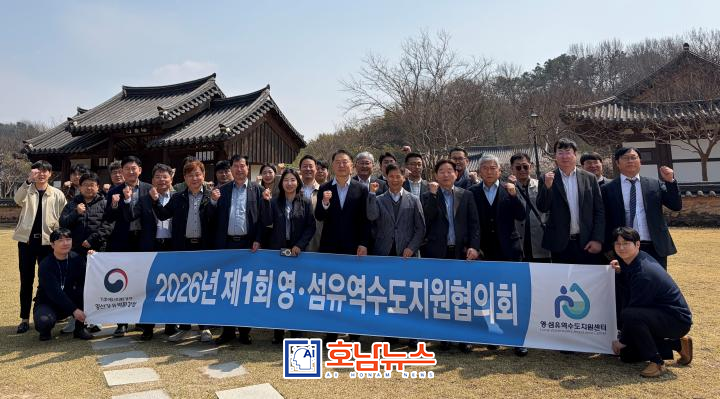 유역 협의회 / 사진제공=영산강유역환경청 |
전남과 광주를 아우르는 영산강·섬진강 유역의 물관리 체계가 ‘AI 기반 통합관리’로 빠르게 전환되고 있다. 단순한 행정 협의를 넘어, 기후위기와 수도사고에 대응하는 ‘유역 단위 물안보 공동전선’이 본격적으로 가동되는 양상이다.
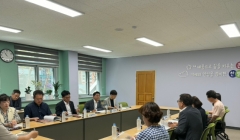
영산강유역환경청과 한국수자원공사 영·섬유역수도지원센터는 25일 전남 담양군에서 ‘2026년 상반기 영·섬유역수도지원협의회’를 개최했다고 밝혔다.
이번 협의회에는 영산강·섬진강 수계 26개 지자체의 수도시설 관리자와 유관기관 관계자들이 대거 참석해, 유역 내 물관리 현안을 공유하고 협력체계를 강화하는 데 초점을 맞췄다.
협의회는 2022년 출범 이후 정례화된 협력 플랫폼으로, 상수도시설 운영 전반의 문제를 개선하고 수도사고에 대한 체계적 대응 역량을 높이기 위해 운영되고 있다.
■ “AI가 물을 관리한다.”… 스마트 물관리 시대 본격화
이번 회의의 핵심은 ‘스마트 물관리 기술의 현장 적용’이었다.
참석자들은 광역정수장 AI 기술 도입 현황, 신재생에너지 설비 구축 사례, 생성형 AI 기반 수도시설 운영 컨설팅 모델 ‘Water-Chat’ 등을 공유하며, 기존의 인력 중심 운영에서 데이터·AI 기반 운영으로의 전환 방향을 집중 논의했다.
특히 ‘Water-Chat’ 모델은 생성형 AI를 활용해 시설 운영 데이터를 분석하고, 사고 예측과 대응 전략을 실시간으로 제시하는 시스템으로 주목받았다. 이는 단순한 효율 개선을 넘어 ‘사전 예방형 물관리’로의 패러다임 전환을 의미한다.
■ “기후위기 시대, 물은 생존 인프라”… 유역 단위 대응 강조
이번 협의회는 정부의 기후변화 대응 정책 기조에 맞춰 ‘친환경 회의’로 진행된 점도 눈길을 끌었다.
일회용품 사용을 최소화하고, 친환경 문구세트를 배부하는 등 회의 운영 방식 자체에서도 탄소 저감 실천이 반영됐다.
이는 물관리 정책이 단순한 공급 관리에서 벗어나, 환경·에너지·기후 대응까지 통합하는 방향으로 확장되고 있음을 보여준다.
■ “지자체 협력이 곧 물안전”… 현장 중심 협력 강화
조영희 영산강유역환경청 유역관리국장은 “유역 내 지자체와의 협력은 안전한 물환경 조성의 핵심”이라며 “실무 중심 협력 과제를 지속적으로 발굴하겠다”고 밝혔다.
김동룡 수도지원센터장 역시 “스마트 물관리 기술과 운영 노하우를 적극 공유해 지자체가 안정적으로 수돗물을 공급할 수 있도록 지원을 강화하겠다.”고 강조했다.
■ ‘개별 대응’에서 ‘유역 공동 대응’으로… 물관리 패러다임 전환
이번 협의회는 단순한 정보 공유를 넘어, 물관리의 기본 단위를 ‘지자체’에서 ‘유역’으로 확장하는 정책적 전환을 보여준다.
특히 기후위기로 인한 가뭄·홍수·수질 문제의 복합화 속에서, 유역 단위 협력 없이는 안정적인 물 공급이 불가능하다는 공감대가 빠르게 형성되고 있다.
AI 기반 기술, 재생에너지, 유역 협력이라는 세 축이 결합되면서 영산강권 물관리 체계는 이제 ‘디지털·친환경 통합 시스템’으로 재편되는 흐름이다.
이는 향후 전남·광주 통합특별시 출범과 맞물려, ‘물·에너지·AI가 결합된 미래 인프라 전략’의 핵심 축으로 작동할 가능성이 높다는 분석이다.
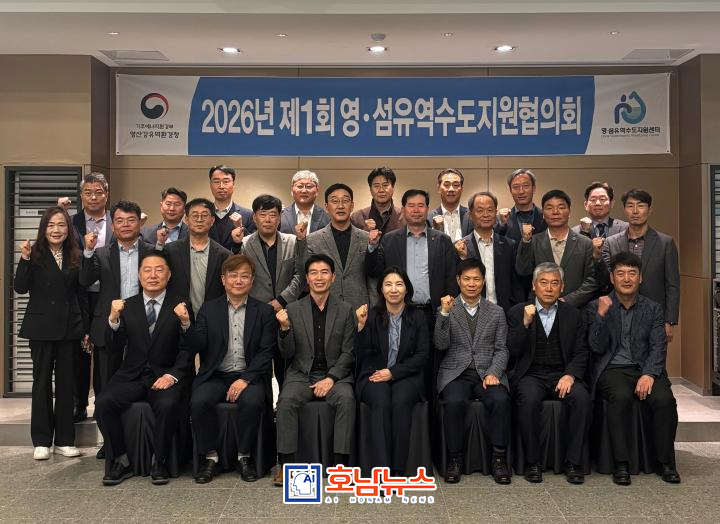 유역 협의회 / 사진제공=영산강유역환경청 |
“Water Management Unified by AI”…
26 Local Governments in the Yeongsan River Region Build a ‘Smart Water Security Alliance’
Subheadline: From climate crisis response to water accident prevention…
Full-scale launch of basin-wide cooperative system
【Jeonnam = AI Honam News】 aihnnews@kakao.com
The water management system across the Yeongsan River and Seomjin River basins—spanning Jeonnam and Gwangju—is rapidly transitioning toward an AI-based integrated model.
Beyond routine administrative coordination, a basin-level water security alliance is now taking shape to respond to climate crises and prevent water-related accidents.
The Yeongsan River Basin Environmental Office and the Yeong–Seom Basin Water Support Center under Korea Water Resources Corporation announced that they held the “2026 First-Half Yeong–Seom Basin Water Support Council” in Damyang, Jeonnam, on the 25th.
The council brought together water facility managers from 26 local governments within the Yeongsan and Seomjin River systems, along with officials from related institutions, to share key water management issues and strengthen cooperative frameworks.
Since its launch in 2022, the council has been held regularly as a collaborative platform aimed at improving overall water supply system management and enhancing systematic responses to water-related incidents.
■ “AI Manages Water”… Smart Water Management Era Begins
The central theme of the meeting was the practical application of smart water management technologies.
Participants shared and discussed:
The adoption of AI technologies in regional water treatment plants
Case studies of renewable energy installations
The generative AI-based operational consulting model, “Water-Chat”
These discussions highlighted a clear transition from labor-intensive operations to data- and AI-driven management systems.
In particular, the Water-Chat model—leveraging generative AI to analyze operational data, predict incidents, and provide real-time response strategies—drew strong attention.
It represents a paradigm shift from reactive management to preventive, predictive water governance.
■ “Water Is Survival Infrastructure in the Climate Crisis Era”
The council was also conducted as an eco-friendly meeting, aligned with the government’s climate response policy.
Measures included minimizing single-use products and distributing eco-friendly stationery kits, reflecting a commitment to carbon reduction even in operational practices.
This signals a broader shift in water policy—from simple supply management to an integrated approach encompassing environment, energy, and climate resilience.
■ “Local Cooperation Equals Water Safety”… Strengthening Field-Based Collaboration
Cho Young-hee, Director of the Basin Management Bureau at the Yeongsan River Basin Environmental Office, stated:
“Cooperation with local governments within the basin is a key driver in ensuring a safe water environment,” adding that
“we will continue to identify and implement practical, field-oriented cooperation tasks.”
Kim Dong-ryong, Head of the Water Support Center, also emphasized:
“We will actively share smart water management technologies and operational know-how to help local governments ensure a stable water supply.”
■ From ‘Fragmented Response’ to ‘Basin-Wide Strategy’
The council marks a significant policy shift—from managing water at the individual municipal level to a basin-wide integrated approach.
Amid increasingly complex challenges such as droughts, floods, and water quality issues driven by climate change, there is growing consensus that stable water supply cannot be achieved without basin-level cooperation.
With the convergence of AI technology, renewable energy, and intergovernmental collaboration, the Yeongsan River region’s water management system is evolving into a digital, eco-friendly integrated platform.
This transformation is expected to align with the upcoming launch of the integrated Gwangju–Jeonnam metropolitan city, positioning water management as a core pillar of a future infrastructure strategy combining water, energy, and AI.
 ai호남뉴스 박충배 편집/칼럼/논설 aihnnewsr@kakao.com