2026.04.07 (화) 05:33


 닫기
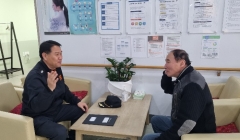
닫기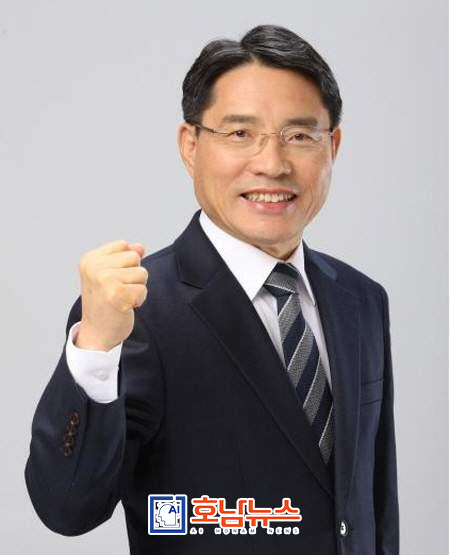 260406_(사진)권오봉 전 여수시장 / 사진제공=겜영록선대위 |
전남·광주 통합특별시장 선거의 흐름이 다시 한 번 크게 출렁이고 있다.
이번에는 ‘사람’이 아니라 ‘구조’가 움직였다는 점에서 그 의미가 더 깊다.
동부권을 대표하는 행정·경제 전문가 권오봉 전 여수시장이 김영록 예비후보 캠프에 상임선대위원장으로 합류하면서, 선거 구도가 단순 경쟁을 넘어 권역별 힘의 재편 국면으로 접어들고 있기 때문이다.
김영록 후보 측 ‘탄탄캠프’는 6일 권 전 시장의 합류를 공식 발표했다. 그러나 정치권의 해석은 단순한 인선 발표에 머물지 않는다.
기획재정부, 전라남도 경제부지사, 광양만권경제자유구역청장, 여수시장까지 이어지는 그의 이력은 ‘정책을 설계하는 사람’이 아니라 ‘정책을 현실로 구현해온 사람’이라는 점에서 상징성이 크기 때문이다.
통합특별시라는 새로운 행정체제는 선언만으로 완성되지 않는다.
권한 재편, 산업 재배치, 재정 구조 설계까지 동반되는 ‘초광역 행정 실험’이기 때문이다.
이런 점에서 중앙과 지방, 산업과 행정을 모두 경험한 권 전 시장의 합류는 단순한 지원을 넘어 ‘실행력 보증수표’에 가깝다는 평가가 나온다.
권오봉 상임선대위원장은 합류의 이유를 비교적 명확하게 드러냈다. 그는 “전남광주특별시 출범은 동부권에도 새로운 도약의 기회”라고 전제한 뒤, “첨단 반도체 등 미래 산업을 중심으로 한 발전 전략은 결국 실행력이 관건”이라고 강조했다.
이어 “김영록 후보는 비전뿐 아니라 이를 실제로 구현할 수 있는 경험을 갖춘 인물”이라며 합류 배경을 설명했다.
이 발언은 단순한 지지 선언이 아니다.
통합특별시 경쟁의 본질이 ‘누가 더 좋은 공약을 내느냐’가 아니라 ‘누가 그것을 실제로 작동시키느냐’로 이동하고 있음을 보여주는 신호에 가깝다.
이미 동부권에서는 정치적 결집이 빠르게 진행되고 있었다.
주승용 전 국회부의장을 시작으로 김성곤 전 의원, 조충훈 전 순천시장, 최도자 전 의원까지 주요 인사들이 잇따라 김영록 캠프에 합류했다. 여기에 권오봉 전 시장까지 가세하면서, 동부권은 정치·행정·경제를 아우르는 하나의 ‘연결된 축’으로 재구성되는 양상이다.
이 변화가 중요한 이유는 분명하다.
전남 동부권은 여수·순천·광양을 중심으로 국가산단, 광양만권 물류, 에너지 산업이 집적된 지역이다.
통합특별시 출범 이후 산업 재편과 성장 전략의 핵심 무대가 될 가능성이 높은 곳이기도 하다. 결국 이 지역의 선택은 단순한 표심을 넘어, 통합특별시의 방향 자체를 결정짓는 변수로 작용할 수밖에 없다.
정치권에서는 이번 합류를 ‘외연 확장’이 아닌 ‘승부처 선점’으로 해석하고 있다. 특히 동부권에서 형성된 연쇄적 지지 구조는 선거 이후까지 이어질 정책 실행 네트워크로 확장될 가능성이 크다는 점에서 주목된다.
결국 권오봉 전 시장의 합류는 한 사람의 선택이 아니라, 동부권이 어떤 방향으로 움직이고 있는지를 보여주는 신호다. 그리고 그 신호는 점점 분명해지고 있다.
지금 이 선거는 더 이상 인물 경쟁에 머물지 않는다.
누가 도시를 설계할 것인가, 그리고 누가 그것을 실제로 움직일 것인가.
그 질문에 대한 답이, 동부권에서 먼저 나오고 있다.
“When the Eastern Region Moves, the Game Changes”…
Kwon Oh-bong Joins, Completing a ‘Decisive Axis’ in Kim Young-rok’s Camp
【Jeonnam·Gwangju = AI Honam News】 aihnnews@kakao.com
The trajectory of the Jeonnam–Gwangju integrated metropolitan mayoral race is once again shifting significantly.
This time, the change carries deeper meaning—not merely because of an individual, but because an entire “structure” is in motion.
With Kwon Oh-bong, former mayor of Yeosu and a leading administrative and economic figure in the eastern region, joining candidate Kim Young-rok’s campaign as chief election committee chair, the race is entering a phase of regional power realignment beyond simple competition.
Kim Young-rok’s campaign, known as the “Tantan Camp,” officially announced Kwon’s appointment on the 6th. However, political observers see this as more than a routine personnel addition.
Kwon’s career—spanning the Ministry of Economy and Finance, Vice Governor for Economic Affairs of Jeonnam Province, Commissioner of the Gwangyang Bay Area Free Economic Zone, and Mayor of Yeosu—symbolizes not just a policy designer, but a proven executor of policy.
An integrated metropolitan city cannot be realized through declaration alone.
It entails a comprehensive “super-regional administrative experiment” involving the redistribution of authority, industrial restructuring, and fiscal system design.
In this context, Kwon’s experience across central and local government, as well as industry and administration, is being viewed not merely as support, but as a guarantee of execution capability.
Kwon Oh-bong himself clearly articulated his reason for joining.
He stated, “The launch of the Jeonnam–Gwangju integrated metropolitan city presents a new opportunity for the eastern region,” emphasizing that “the key to future development strategies—such as advanced semiconductor industries—lies in execution.”
He added, “Candidate Kim Young-rok possesses not only vision but also the experience to implement it in reality,” explaining the rationale behind his decision.
This statement goes beyond a simple endorsement.
It signals that the core of the race is shifting from “who presents better policies” to “who can actually make them work.”
Meanwhile, political consolidation in the eastern region had already been accelerating.
Former National Assembly Vice Speaker Joo Seung-yong, former lawmaker Kim Sung-gon, former Suncheon mayor Cho Choong-hoon, and former lawmaker Choi Do-ja have all joined Kim’s campaign.
With Kwon’s addition, the eastern region is now being reorganized into a cohesive axis encompassing politics, administration, and the economy.
The significance of this shift is clear.
Eastern Jeonnam—including Yeosu, Suncheon, and Gwangyang—is a concentrated hub of national industrial complexes, logistics centered on Gwangyang Bay, and energy industries.
It is also expected to serve as a key stage for industrial restructuring and growth strategies after the launch of the integrated city.
Thus, the region’s political alignment is likely to influence not only voter sentiment but the overall direction of the integrated metropolitan system itself.
Political analysts interpret Kwon’s appointment not as mere expansion, but as a strategic move to secure a critical battleground.
In particular, the chain of support forming in the eastern region is drawing attention as it could evolve into a policy execution network that extends beyond the election itself.
Ultimately, Kwon Oh-bong’s decision is not just an individual choice—it is a signal of where the eastern region is heading.
And that signal is becoming increasingly clear.
This election is no longer merely a contest of personalities.
It is about who will design the city—and who can actually make it work.
The answer to that question is already beginning to emerge from the eastern region.
ai호남뉴스 aihnnewsr@kakao.com