2026.04.07 (화) 05:33


 닫기
닫기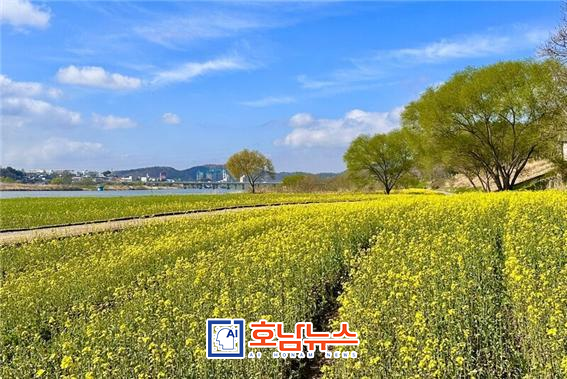 나주시 영산강 유채꽃 단지 / 사진제공=호남뉴스 |
300리 생태축·람사르 습지·100년 수목축… “통합특별시의 눈에 보이는 상징”
영산강 300리 생태전환 / 사진제공=민형배 의원실 |
【전남·광주=AI호남뉴스】 aihnnews@kakao.com
강은 도시를 나누기도 하지만, 때로는 하나로 묶는다.
지금 영산강 이 다시 정의되고 있다.
더불어민주당 전남·광주 통합특별시장 경선 후보인 민형배 국회의원이 식목일을 계기로 꺼내든 카드는 단순한 녹지 조성이 아니었다.
그것은 강의 기능을 바꾸고, 도시의 구조를 다시 짜겠다는 선언에 가까웠다.
민 의원은 영산강을 ‘국가정원’으로 전환하겠다는 구상을 내놓으며, “300리 강줄기를 따라 생태와 정원, 그리고 삶의 공간을 다시 심겠다.”고 밝혔다.
이 구상은 조경이나 미관 개선 수준을 넘어선다. 물이 흐르는 방식, 생명이 살아가는 방식, 그리고 사람이 머무는 방식을 동시에 바꾸겠다는 복합적 설계다.
그가 그리는 영산강은 더 이상 단순한 하천이 아니다.
군공항 이전 예정지 인근부터 나주까지 이어지는 강변은 국가 단위의 생태·정원·휴식 공간으로 재편되고, 광주와 전남을 물리적으로 넘어 상징적으로 연결하는 축으로 자리 잡게 된다.
‘통합특별시’라는 거대한 행정 실험이 눈에 보이는 형태로 구현되는 첫 장면이 될 수 있다는 의미다.
이 구상의 중심에는 ‘생태 전환’이라는 명확한 방향이 놓여 있다.
물순환을 복원하고, 생물다양성을 회복하며, 시민이 머무르고 체류하는 공간으로 재구성하는 것. 이는 단순히 강을 꾸미는 일이 아니라, 도시의 기후 대응 능력과 생활의 질을 동시에 끌어올리는 전략이다.
특히 눈에 띄는 것은 ‘100년 수목축’ 구상이다. 영산강 제방을 따라 이어지는 이 녹색 축은 단순한 식재 사업이 아니다.
지역 환경에 맞는 수종을 선별하고, 장기적인 생태 계획에 따라 관리되는 ‘살아있는 인프라’다.
폭염을 낮추고, 미세먼지를 줄이며, 탄소를 흡수하고, 홍수에 대응하는 기능까지 동시에 수행하는 다층적 방어선이다.
여기에 습지 보전 전략이 더해진다.
영산강 일대를 국가습지보호구역으로 확대하고, 국제적 가치가 높은 구간은 람사르협약 기준에 따라 람사르 습지로 지정하는 방안이 추진된다. 수질 개선과 생태 복원이 함께 이루어질 때, 영산강은 단순한 지역 하천이 아니라 대한민국을 대표하는 생태축으로 격상될 수 있다.
그러나 이 계획의 완성은 ‘사람’에 달려 있다. 탐조대와 생태학습관, 보행길과 자전거길이 연결되고, 시민과학 프로그램과 학교 교육이 결합될 때, 강은 비로소 일상의 공간으로 살아난다. 강을 바라보는 공간이 아니라, 강과 함께 살아가는 공간으로 전환되는 것이다.
민형배 의원은 “영산강 국가정원은 광주와 전남을 하나로 잇는 가장 분명한 통합의 상징이 될 것”이라고 강조했다.
결국 이 구상은 하나의 질문으로 귀결된다.
도시는 무엇으로 연결되는가.
도로도 아니고, 건물도 아니다.
사람과 자연이 함께 머무는 공간, 그 지속 가능한 질서가 도시를 만든다.
영산강이 그 답이 될 수 있을지, 이제 첫 삽이 아닌 첫 방향이 제시됐다.
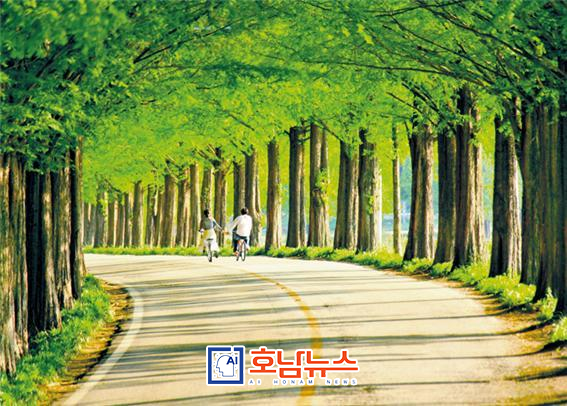 나주시 영산강 자전거길 / 사진제공=호남뉴스 |
“A River Rebuilds a City”… Min Hyung-bae Declares Yeongsan River ‘National Garden Transformation’
Sub: 300-ri ecological corridor, Ramsar wetlands, century-long tree axis… “A visible symbol of the integrated metropolitan city”
【Jeonnam·Gwangju = AI Honam News】 aihnnews@kakao.com
A river can divide a city—but at times, it can also bind it together.
Now, the Yeongsan River is being redefined.
Min Hyung-bae, a National Assembly member and a candidate in the Democratic Party primary for the integrated Gwangju–Jeonnam metropolitan city, has unveiled a vision that goes far beyond simple greening. Marking Arbor Day, he presented not just a landscaping plan, but a declaration to reshape the very function of the river—and, with it, the structure of the city itself.
Min proposed transforming the Yeongsan River into a “National Garden,” stating, “Along the 300-ri stretch of the river, we will replant ecology, gardens, and living spaces.” This vision transcends aesthetic improvement. It is a comprehensive design that seeks to redefine how water flows, how life thrives, and how people inhabit space.
In his vision, the Yeongsan River is no longer merely a waterway.
From the vicinity of the planned military airport relocation site to Naju, the river corridor would be reorganized into a national-level ecological, recreational, and cultural space. It would serve not only as a physical link between Gwangju and Jeonnam, but as a symbolic axis of integration. In this sense, it could become the first visible manifestation of the ambitious “integrated metropolitan city” project.
At the core of this plan lies a clear direction: ecological transition.
Restoring water circulation, reviving biodiversity, and redesigning the river as a space for human stay and interaction—this is not merely about beautifying a river. It is a strategy to simultaneously enhance climate resilience and quality of life.
One of the most striking elements is the concept of a “100-year tree axis.”
Stretching along the riverbanks, this green corridor is not a simple planting initiative. It is conceived as a “living infrastructure,” carefully selecting species suited to the local environment and managing them through long-term ecological planning. It is designed to mitigate heatwaves, reduce fine dust, absorb carbon, and strengthen flood resilience—functioning as a multilayered environmental defense system.
Wetland conservation is another key pillar.
The plan includes expanding nationally protected wetland zones along the Yeongsan River and pursuing designation of internationally valuable areas as Ramsar wetlands under global conservation standards. With integrated water quality improvement and ecological restoration, the Yeongsan River could be elevated from a regional river to one of Korea’s defining ecological corridors.
Yet, the completion of this vision ultimately depends on people.
When birdwatching platforms, ecological learning centers, walking and cycling paths are connected—and when citizen science programs and school-based education are integrated—the river can finally come alive as part of everyday life. It becomes not a space to look at, but a space to live with.
Min Hyung-bae emphasized, “The Yeongsan River National Garden will become the most visible symbol of integration between Gwangju and Jeonnam.”
In the end, the vision converges into a single question:
What truly connects a city?
It is neither roads nor buildings.
It is the space where people and nature coexist—and the sustainable order that emerges from it.
Whether the Yeongsan River can become that answer remains to be seen.
But what has been presented is not the first shovel in the ground—
it is the first clear direction.
 ai호남뉴스 박충배 편집/칼럼/논설 aihnnewsr@kakao.com